
Feed
Cottonseed cake for dairy cattle: how to buy, feed and store it
Sarki pend, binola khal, khalli: what it is, what it does in a dairy ration, the one safety point every farmer should know, and how to tell fresh cake from old.
Key takeaways
- Expeller cottonseed cake gives a dairy animal protein, energy from its leftover oil, and fibre in one feed.
- It is fed as part of a balanced concentrate, not on its own. The right amount depends on the animal and the rest of the ration.
- Gossypol in cottonseed is handled well by adult cattle and buffalo, but not by young calves, poultry or pigs.
- Buy fresh, store dry and off the floor, and use it within a few weeks: mould is the real enemy.
Walk into almost any dairy in Vidarbha or Marathwada and you will find a few bags of cottonseed cake stacked by the feed trough. It goes by many names — sarki pend in Marathi, binola khal in Hindi, kapashi khal in Gujarati, and simply khalli in the trade — but it is the same thing: what remains after oil is pressed out of cottonseed.
We crush cottonseed on our own line beside Padam Dall Mill, which has been running since 1993. This guide is what we tell dairy farmers and feed buyers who ask us how to get the most out of it.
What cottonseed cake actually is
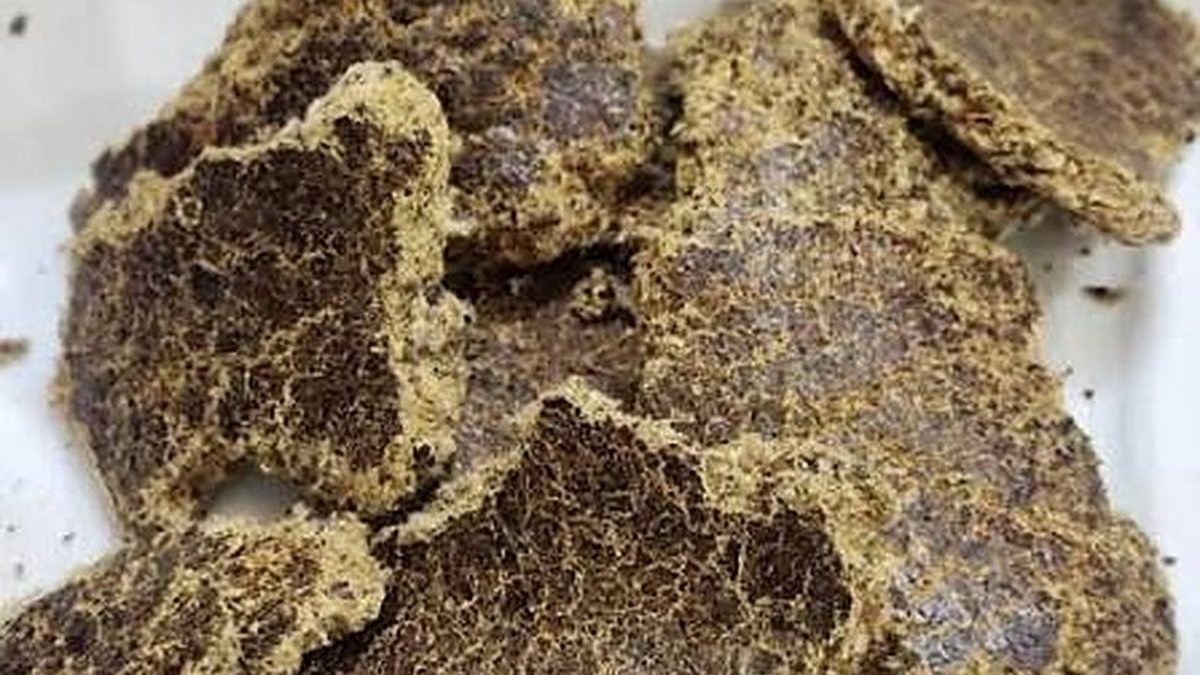
Cotton is grown for its fibre, but every boll also carries seed. That seed is crushed in an expeller to take out the oil. The pressed residue comes out as hard flakes or slabs — the cake. Because an expeller does not take out every drop, the cake keeps some oil along with the seed's protein and fibre.
There are two broad kinds. Undecorticated cake is made from whole seed with its hull, and it is the common, darker, more fibrous cake sold across rural India. Decorticated cake is made after the hull is removed, so it is higher in protein and lower in fibre. Most dairy farmers in Maharashtra buy undecorticated expeller cake, which is what we make.
Why dairy farmers feed it
- Protein for milk production and body condition, at a lower price than most oilseed cakes.
- Energy from the oil left in expeller cake.
- Fibre that suits the rumen of cattle and buffalo.
- Palatability: animals generally eat it readily, soaked or mixed with other concentrate.
Cottonseed cake is a concentrate, not a complete feed. It works alongside green fodder, dry fodder, grain or bran and mineral mixture. Ask your veterinarian or a feed nutritionist how much to give, because the right amount depends on the animal, its milk yield and everything else in the ration.
The one safety point: gossypol
Cottonseed contains a natural compound called gossypol. Adult ruminants — cows and buffalo — break most of it down in the rumen and handle normal feeding levels well. Animals with a simple stomach do not. That is why cottonseed cake is used for adult cattle and buffalo, and kept away from young calves before their rumen develops, from poultry and from pigs.
Two practical rules follow. Do not use cottonseed cake as the only concentrate for very high-yielding animals over a long period without advice, and do not feed it to calves. When in doubt, your vet will set a level for your herd.
How to tell fresh cake from old
- SmellFresh cake smells nutty and oily. A sour, musty or mouldy smell means it has been sitting or has got damp.
- LookEven brown colour without white, green or black patches. Fungal growth shows up first at the edges of slabs and inside bag folds.
- FeelDry and firm. Cake that feels soft, warm or clammy has picked up moisture.
- Ask the dateA mill that crushes its own seed can tell you when the lot was made. Buy close to production.
Why mould matters more than anything else
Damp oilseed cake can grow moulds, and some moulds produce aflatoxins. These are harmful to the animal and can pass into milk. Almost every problem with cottonseed cake on a farm comes back to storage, not to the cake itself.
Storing it on the farm
- Keep bags on pallets or planks, never directly on a floor that can sweat.
- Leave a gap from walls, and keep the store dry and ventilated.
- Protect from rain and from water used to wash the shed.
- Use the oldest bags first and buy what you will use in a few weeks.
- Discard any cake that smells musty or shows mould. It is not worth the risk.
Buying in bulk
Feed units and traders usually buy cottonseed cake by the truck, in 50 kg bags. Dairies and gaushalas buy smaller lots through local dealers. Prices follow the cottonseed crop and the crushing season, which runs after the cotton harvest from around October. Buying close to production, from a crusher who moves stock quickly, is the simplest way to get fresh cake.
Quick answers
It is a widely used protein and energy source in dairy rations across India. It supports milk production as part of a balanced concentrate; the amount should be set with your vet or a feed nutritionist.
No. Young calves cannot break down gossypol the way adult cattle and buffalo can. Use cottonseed cake for adult ruminants.
None. Sarki pend is the Marathi name and binola khal the Hindi name for the same cottonseed cake.
A few weeks in a dry, ventilated store with bags off the floor. Moisture leads to mould, so buy fresh and use the oldest stock first.
Sources
Need fresh cottonseed cake? 50 kg bags and full truck loads from our own crushing line.